Bonus Structures Influencing Navigation Between Mobile Poker Sessions and Slingo Rounds in Multi-Game Apps
Written by Zoe Fischer · Nov 16, 2026
Bonus Structures Influencing Navigation Between Mobile Poker Sessions and Slingo Rounds in Multi-Game Apps
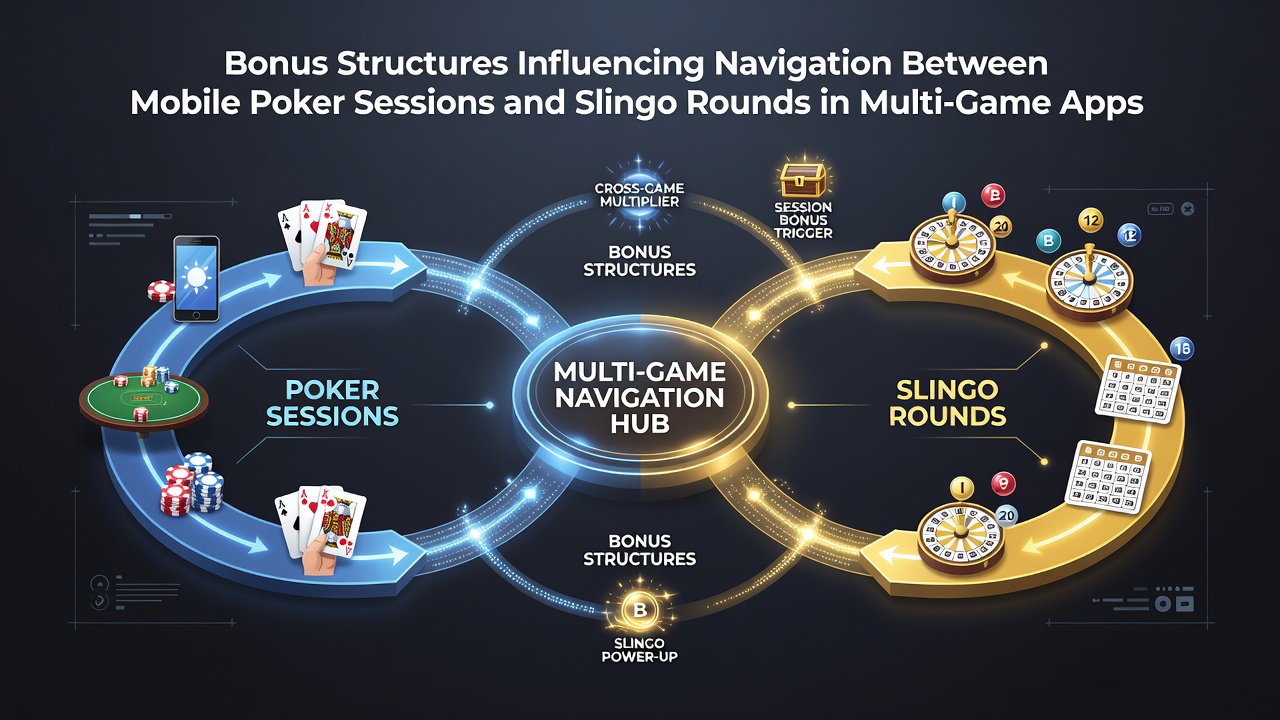
Multi-game mobile applications integrate poker sessions alongside Slingo rounds through layered bonus systems that adjust player pathways based on reward triggers, and these mechanisms operate via timed multipliers, session-based reloads, and cross-game progression bars that reset or accumulate differently depending on the sequence of play. Data from platform analytics in November 2026 indicated that users encountered structured incentives when completing a set number of poker hands before shifting into Slingo grids, while separate tiers rewarded extended Slingo streaks that unlocked poker entry credits.
Core Components of Bonus Designs Across Game Types
Operators configure welcome packages and ongoing promotions to allocate value across poker and Slingo through distinct allocation rules, such as deposit-matched funds that apply only after a minimum poker hand count or Slingo round completion threshold, and these rules create measurable shifts in session length as tracked in aggregated user logs. Research from the Australian Gambling Research Centre shows that progression systems often tie loyalty points to alternating game selections, which means players receive incremental rewards when they exit a poker table and enter a Slingo interface within defined time windows rather than remaining in one format.
Daily login streaks combine with game-specific boosters that expire at different rates, and observers note that poker bonuses frequently emphasize hand volume while Slingo offers focus on grid completion speed, producing navigation patterns where users monitor both timers simultaneously on split-screen dashboards. Figures released by the National Center for Responsible Gaming in late 2026 revealed that apps deploying these dual-track bonuses recorded higher transition rates between the two formats compared with single-game reward models.
Observed Player Pathways and Transition Triggers
Usage data collected across tablet and smartphone formats demonstrates that bonus expiration notices appear as push alerts at the conclusion of a poker session, prompting immediate entry into Slingo to claim an additional multiplier before the window closes, and this sequence repeats when Slingo rewards reference upcoming poker cash tables. Case examples from platform reports describe players who complete five consecutive poker hands to activate a Slingo free spin bundle, after which the same bundle unlocks further poker buy-in credits upon reaching a grid match threshold.
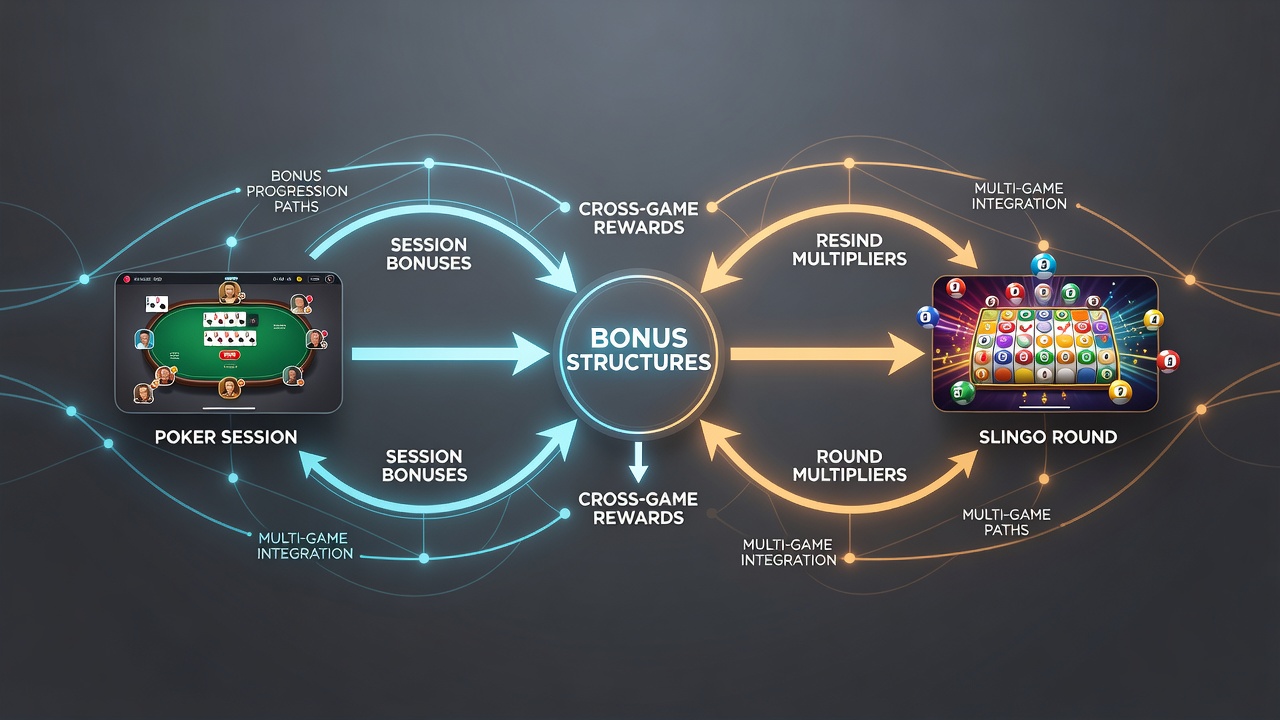
Time-stamped activity logs indicate that transitions cluster around bonus reset points, particularly when a poker tournament lobby displays a countdown to Slingo-specific rewards, and researchers have mapped these clusters to identify peak navigation hours that align with regional evening schedules. One study of app telemetry found that users who received combined poker-Slingo milestone bonuses maintained shorter individual sessions yet executed more total switches per day than those operating under isolated game rewards.
Technical Implementation in App Interfaces
Developers embed navigation prompts directly into the bonus progress bar so that completing a poker objective highlights the Slingo tab with an active claim button, while Slingo achievements surface poker table filters that match the earned credit type, and this integration reduces the steps required to move between formats. Backend systems track cumulative activity across both games to calculate tier upgrades, meaning a player advancing through bronze to silver status must distribute playtime rather than concentrate on a single title to maximize the next reward level.
November 2026 updates to several major multi-game platforms introduced synchronized leaderboards that score combined poker hand totals and Slingo line completions, which further encouraged rotation as participants monitored real-time position changes that depended on activity in both sections. These leaderboards reset weekly and award entry into higher-stakes tables or expanded Slingo grids based on balanced participation metrics.
Regulatory Context and Data Reporting Standards
Gaming authorities in multiple jurisdictions require operators to log how bonus conditions influence game selection sequences, and reports submitted to bodies such as the Ontario Alcohol and Gaming Commission include transition frequency statistics broken down by bonus category. Industry associations compile these submissions into comparative datasets that highlight differences between apps offering integrated poker-Slingo bonuses versus those separating reward pools by title.
Academic analyses of behavioral telemetry continue to examine whether these structures alter overall session distribution without reference to individual outcomes, and papers from research institutions document the prevalence of alternating patterns in environments where bonuses scale with cross-format engagement. Such documentation remains available through peer-reviewed channels that focus on aggregate platform performance rather than prescriptive advice.
Conclusion
Bonus architectures in multi-game applications establish measurable navigation flows between mobile poker and Slingo by linking rewards to sequence completion, time-bound claims, and cross-progression milestones, and November 2026 platform data confirmed elevated transition activity under these conditions. Continued reporting from regulatory and academic sources supplies the factual basis for understanding these patterns across different operating regions and device formats.