Industry Analytics Reveal Performance Differences in Slot Themes Across Tablet and Phone Formats
Written by Noah Müller · Sep 21, 2026
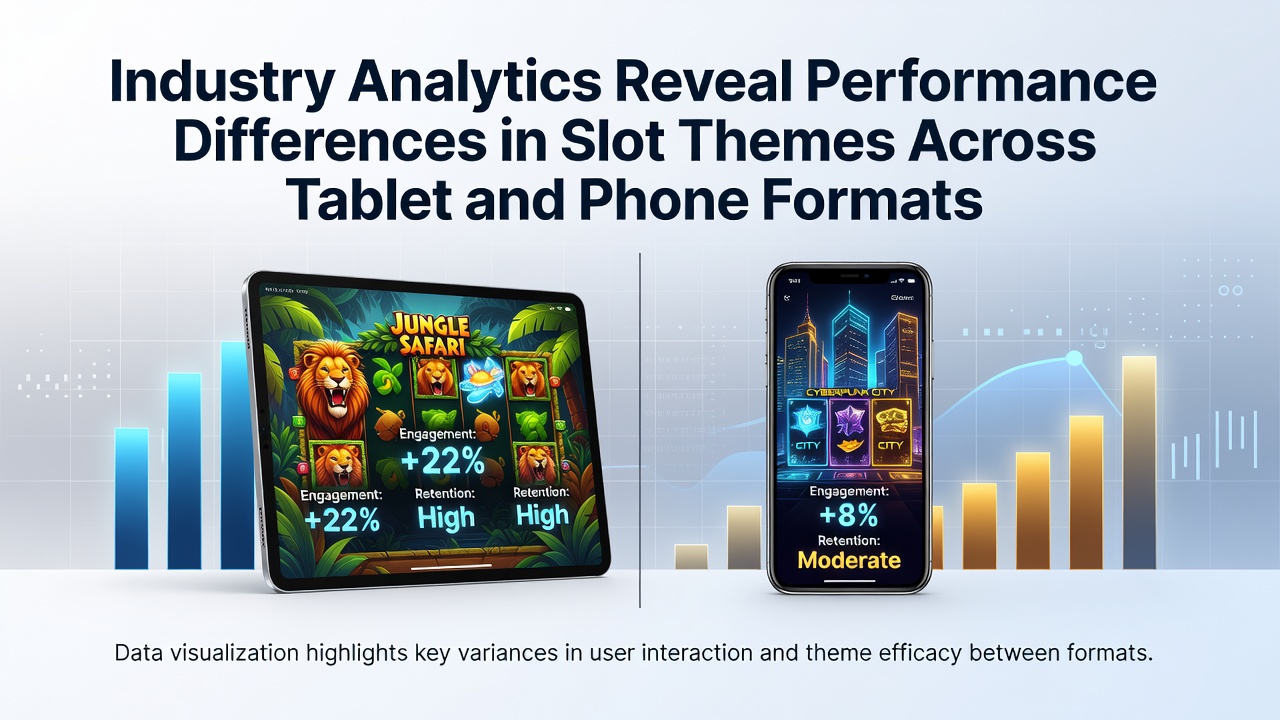
Industry Analytics Reveal Performance Differences in Slot Themes Across Tablet and Phone Formats
Data from major gaming operators indicates that slot themes perform differently depending on whether players use tablets or phones, with clear patterns emerging in engagement rates, session lengths, and feature interactions. Analysts tracking these metrics across multiple markets note that tablet users often spend more time on narrative-driven themes while phone users gravitate toward simpler mechanics that fit shorter play windows.
Device-Specific Trends in Player Behavior
Recent figures compiled through September 2026 show tablet sessions averaging 22 minutes longer than phone sessions for adventure and story-based slots, whereas phone sessions favor quick-spin mechanics in classic fruit or gem themes. These differences appear tied to screen size and portability, since tablets allow for more detailed graphics and bonus round visibility while phones encourage rapid, on-the-go access. Operators report that themes with complex animations maintain higher retention on larger screens, but simpler interfaces reduce drop-off rates on smaller displays during brief commutes or breaks.
Theme Performance Across Formats
Analytics platforms tracking thousands of daily spins reveal that mythology-themed slots achieve 18 percent higher completion rates for bonus features on tablets compared to phones. In contrast, sports and branded themes see stronger initial click-throughs on phones, although conversion to sustained play drops when animations lag or controls feel cramped. Researchers examining aggregated operator data note that seasonal or holiday-themed content maintains steady performance on both formats, yet the gap widens during peak evening hours when tablet users tend to extend sessions past the 30-minute mark.
One study covering North American and European markets found that players on tablets interact with in-game maps and progressive jackpot trackers at nearly double the rate observed on phones. This pattern holds across multiple operators, suggesting the larger interface supports deeper exploration of layered features. Phone users, meanwhile, show elevated engagement with auto-play toggles and quick-bet adjustments that streamline shorter sessions without sacrificing core gameplay flow.
Regional Data and Operator Reports
Figures released by the Nevada Gaming Control Board through mid-2026 highlight similar device-based splits within regulated markets, where tablet traffic accounts for a growing share of high-value sessions in video slots. Australian regulatory summaries echo these observations, noting that phone-based play dominates overall volume but tablet sessions contribute disproportionately to total wager amounts in themed content. Industry groups such as the American Gaming Association have compiled cross-platform comparisons that underscore how theme complexity influences retention differently by device type.
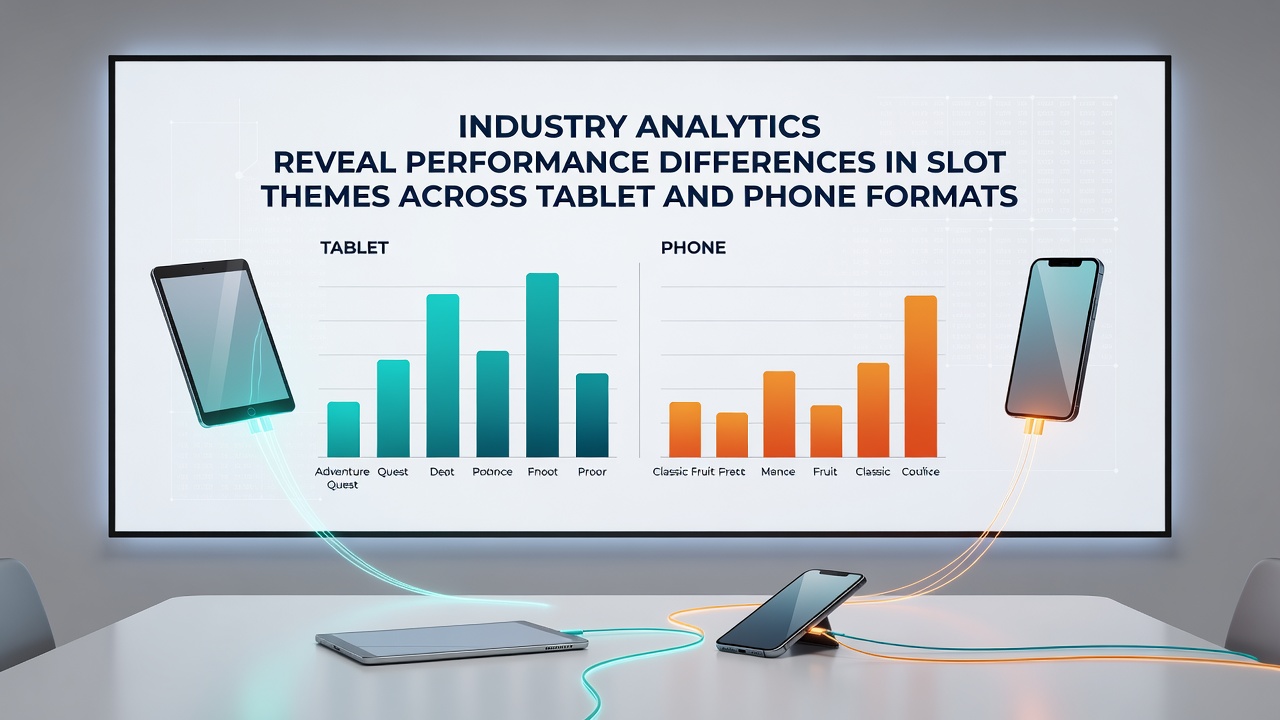
Additional insights from academic research at the University of Nevada, Las Vegas indicate that visual density in slot themes correlates with extended tablet play, while minimalistic designs reduce friction on phones. Operators adjusting asset delivery based on detected device type report modest lifts in average revenue per user when themes are optimized accordingly. These adjustments include scaling reel sizes, repositioning paytable information, and altering sound cues to match typical usage contexts for each format.
Implications for Content Development
Developers reviewing performance dashboards note that themes incorporating touch-friendly mini-games sustain interest better on phones, whereas expansive world-building elements reward tablet users with higher completion metrics. Data collected during September 2026 further shows that cross-promotional campaigns linking slots to table games perform evenly across devices when interface elements adapt automatically. Observers tracking these shifts emphasize that consistent measurement across formats helps operators allocate marketing resources toward themes that match dominant player hardware in specific regions.
Conclusion
Industry analytics continue to demonstrate measurable performance gaps between tablet and phone formats for various slot themes. Operators and developers using device-specific data achieve more targeted content strategies that align with observed player habits. As tablet and phone usage patterns evolve, ongoing measurement through regulatory and academic sources will provide further clarity on how theme design influences engagement across mobile environments.